
Windows and Doors
Windows and Doors. Plan the Complete Opening.
Window and door decisions involve the existing opening, the frame, installation details, and the way the room is used. Start with the concern you can observe. Pinnacle can confirm the requested work and available next step for the property before a product or project scope is selected.
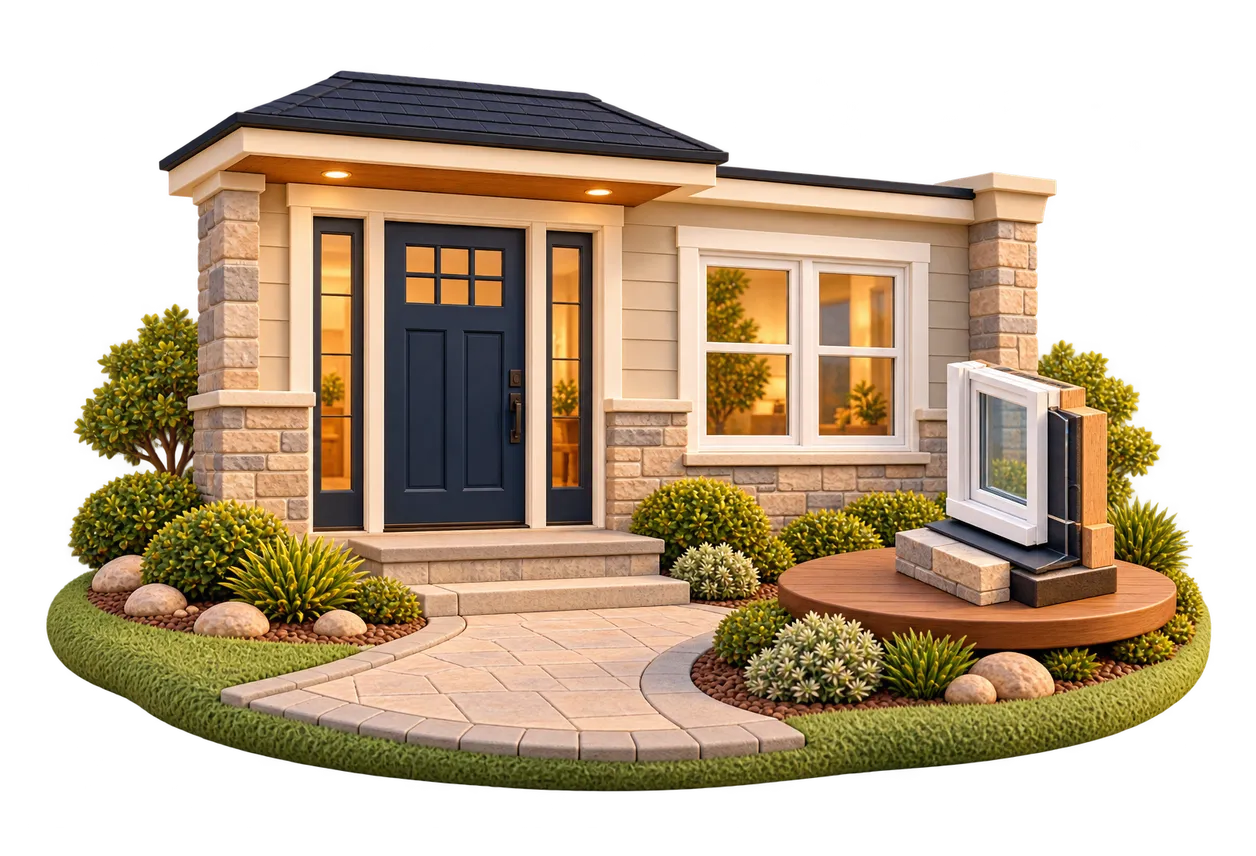
Discuss Your Window and Door Project
Discuss Your Window & Door ProjectWindow and door service availability depends on the property, location, requested products, installation scope, and current capacity. Submit the project information so Pinnacle can confirm whether the request can be accepted.
Identify the concern
Repair or Replace? Start With the Opening.
A sticking sash, a draft, visible damage or clouded glass does not automatically establish that the whole window or door needs replacing.
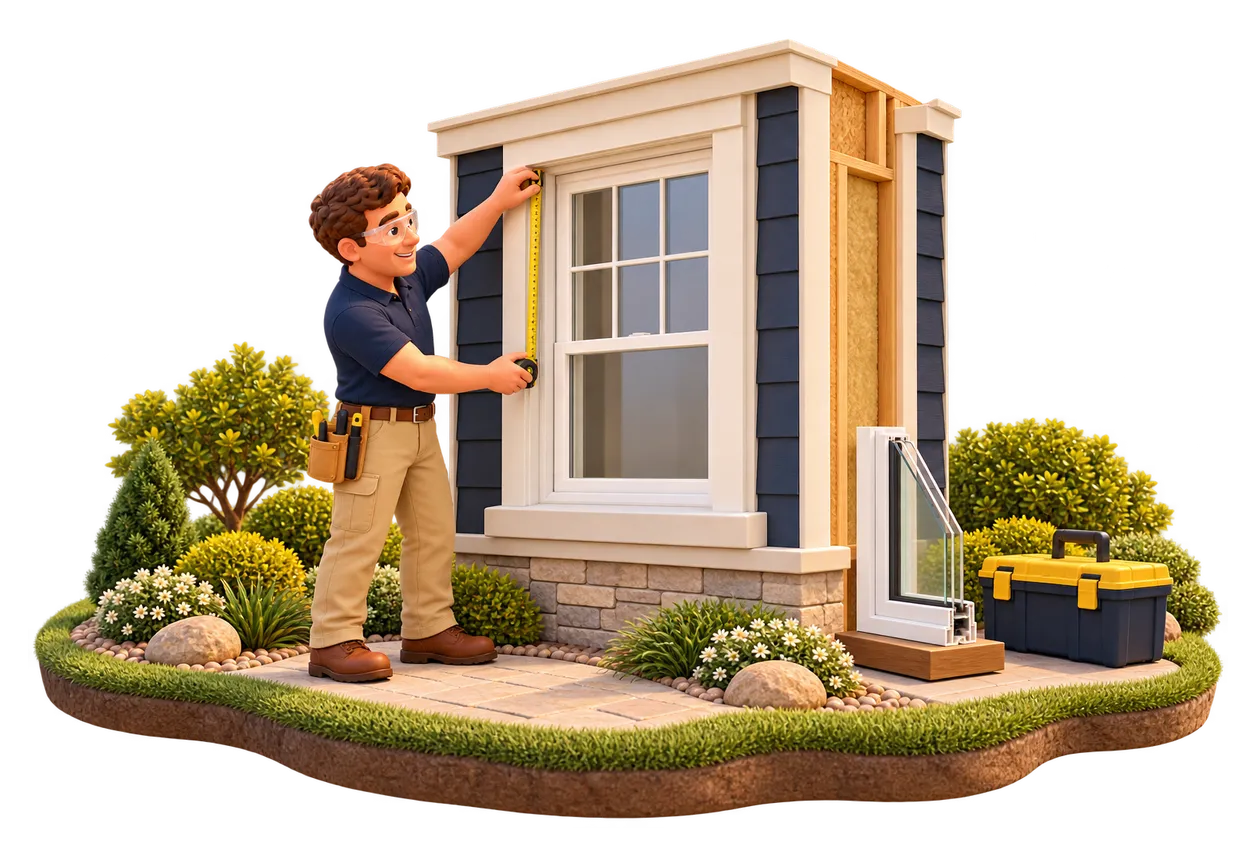
Describe which opening is affected and what changed. Note whether the concern is operation, weather exposure, glass, frame condition or appearance. Identify a recurring pattern and keep any previous findings. Photographs from a safe position can show the opening and surrounding finishes. Avoid removing trim or disturbing a damaged unit simply to prepare a request.
Keep the product separate from the opening around it. The proposed work may need to address the frame, adjacent material or installation condition rather than the glass alone. Ask which condition the recommendation addresses and what the review has established. A remote description is a starting point for that conversation, not a diagnosis.
For replacement planning, compare the proposed installation method as carefully as the product. Ask what remains in place, what is removed, how the opening will be prepared and which finishes will need attention. Record the scope for each opening. Two proposals with the same window count can describe materially different work.
Understand the product
Read the Product Ratings. Match Your Home.
A general efficiency label does not explain every product difference or establish savings for your property.
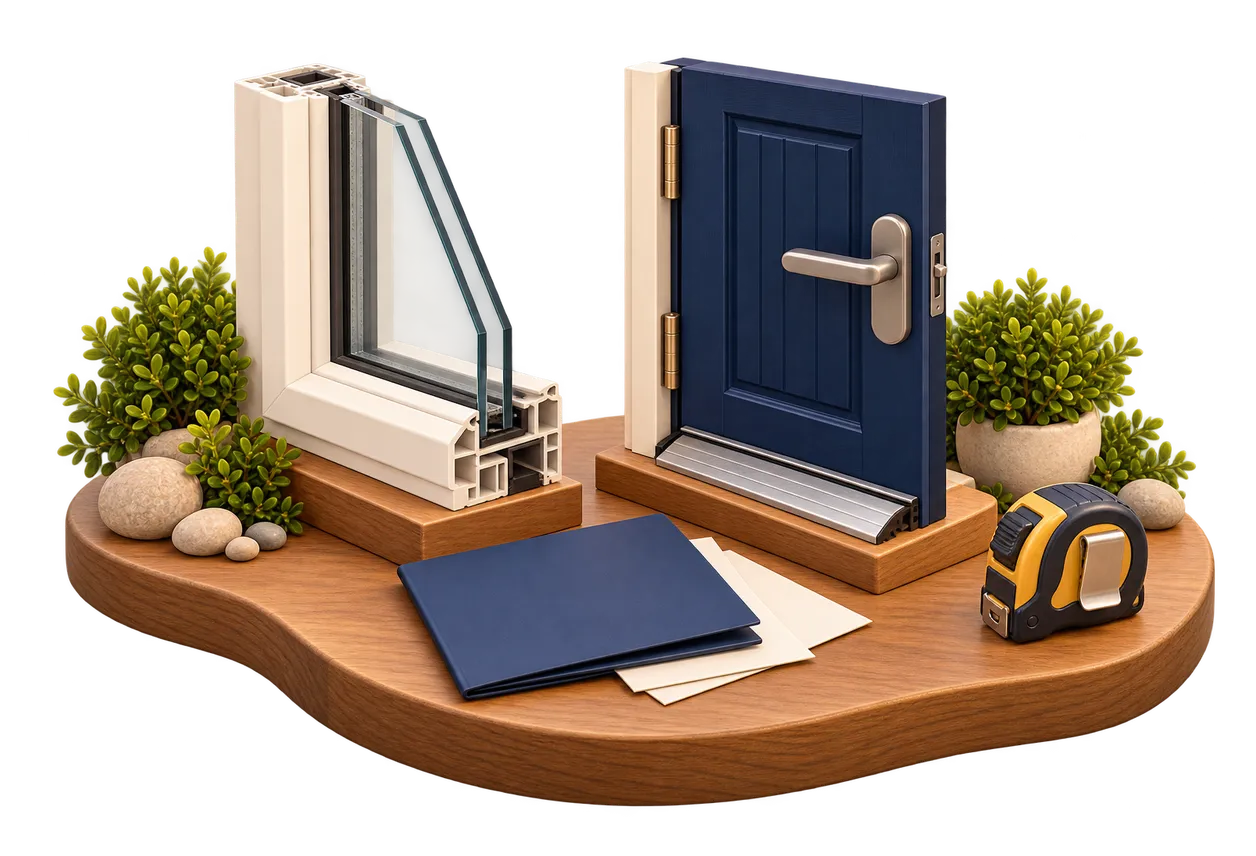
The National Fenestration Rating Council describes several window performance measures. U-factor describes heat transfer through the product. Solar heat gain coefficient describes the fraction of solar heat admitted. Visible transmittance describes visible light transmission. These are different attributes, so a single “efficient” description cannot replace the actual product ratings.
Ask for the product identification and ratings for the specific unit being quoted. The choice needs to reflect the climate, orientation, room use and other project conditions. ENERGY STAR advises homeowners to review the actual U-factor and solar heat gain coefficient and to confirm the product labels. A rating is a product characteristic, not a promise of a particular utility-bill change.
Compare operating style, frame material, glazing, hardware and appearance with the installation requirements. Ask which finish and color are included and whether an alternative changes the price or lead time. The proposed model and configuration should appear in the written scope so the product being compared is the product being supplied.
For doors, record the complete assembly under discussion. The slab, frame, threshold, sidelights, glass and hardware may have separate specifications. Discuss the existing opening and the outcome you want, including operation, weather exposure or access. Availability of a particular style, brand or performance package must be confirmed for the project.
Compare proposals
Count the Openings. Define the Installation.
A useful comparison identifies the product and the surrounding work for each opening.
Prepare a room-by-room opening list. Include the type of window or door, the observed concern, and any preferences you already know. Treat your measurements as planning information until the responsible provider verifies what is needed. Custom orders and installation responsibilities should be settled in the written proposal.
Ask about removal, disposal, protection of the occupied rooms, preparation of the opening, flashing or sealing work, trim, painting and other finish restoration. Identify who is responsible for each item and which work is excluded. Keep optional upgrades separate so the base proposals can be compared on the same terms.
Where existing damage or concealed conditions are uncertain, ask how the project will handle a finding after removal. A written allowance or exclusion should be understandable before work begins. Confirm the approval process for changes and how they affect the schedule. The existence of an unknown condition does not establish the cost of resolving it.
Keep product warranty information separate from installation terms. Ask about registration, transfer conditions, excluded damage and the service-contact path for the actual documents being proposed. This page does not promise a particular manufacturer, warranty duration, installation method, energy savings or financing arrangement.
| What to compare | What to ask for | Why it matters |
|---|---|---|
| Each opening | Room, product type, configuration and stated concern | Compare the same units |
| Product identification | Model, glazing, frame, hardware and documented ratings | Know what is being supplied |
| Installation and finishes | Removal, preparation, sealing, trim, paint and disposal | See the full project boundary |
| Unknowns and handover | Change approval, exclusions, care and warranty documents | Keep responsibilities clear |
Coordinate the work
Make the Sequence Clear. Protect the Finished Result.
Window and door work can intersect with siding, interior finishes, insulation or remodeling.
Tell the reviewer about planned exterior or interior work. A renovation may change access or the timing of finish repairs. Discuss which trade is responsible for each transition and how the opening will be left between phases. A coordinated schedule should be based on accepted scopes, not on an assumption that every related service is available.
If the home was built before 1978, mention its age before work that may disturb painted surfaces. EPA identifies window replacement and other renovation activity as potential sources of hazardous lead dust in older homes. Ask the responsible provider to confirm applicable lead-safe requirements and qualifications. This planning page does not establish that a particular firm is certified.
For the first request, provide the ZIP code, approximate number of openings, the main concern, available photographs and your intended timing. Share any previous findings or product preferences. Pinnacle can then confirm availability and what is required to review the property. Submission is not an accepted installation order or a confirmed appointment.
Source: EPA: lead-safe renovation information for homeowners
service
Comprehensive Window & Door Services
Window and door requests are reviewed for the property, openings, product requirements, installation scope, and location before options are presented.
Straight answers
Windows and Doors Questions. Plan With Better Information.
Does a draft always mean I need a new window?
No. A draft is an observation, and its source needs review. Ask whether the proposed work addresses the unit, the installation or a condition around the opening. A photograph or description alone cannot decide the repair.
How do I compare energy-efficient windows?
Compare the actual product identification and documented ratings, including U-factor and solar heat gain coefficient. The appropriate choice depends on the property and climate. Product ratings do not establish a guaranteed savings figure for your home.
Will replacing windows include painting and trim?
Only when the accepted scope includes those items. Ask about interior and exterior finishes, removal, preparation and disposal before comparing total prices. Keep exclusions with the proposal.
Can windows and doors be reviewed together?
You can identify both in one project request, but product availability, installation details and accepted scope must still be confirmed. Each opening should remain identifiable in the final proposal.
What should I send with my request?
Include the property ZIP code, the number and type of openings, the concern you can observe, available photographs and your intended timing. Do not dismantle an opening or take unsafe access to provide more detail.