

A hot roof does not point to one universal fix. Start by separating roof-surface heat from heat and moisture moving through the attic and ceiling. Check the roof covering for defects, identify the attic design, review air leakage and insulation, and compare solar reflectance and thermal emittance only when a roof product or approved roof system is being selected.
A reflective roof can transfer less solar heat into a building, especially in a warm, sunny climate. The result still depends on the roof type, climate, insulation, air sealing, duct location, heating and cooling system, product rating, installation, and maintenance. A coating, added vent, or radiant barrier should not be prescribed from attic temperature alone.
What makes a roof a cool roof?
A cool roof is designed to reflect more sunlight and release more absorbed heat than a comparable conventional roof. The two main properties are solar reflectance and thermal emittance. Color can affect reflectance, but color alone does not establish performance.
The U.S. Environmental Protection Agency explains that cool roofs transfer less heat from the sun into the building. The Cool Roof Rating Council publishes initial and aged ratings for solar reflectance, thermal emittance, and the calculated Solar Reflectance Index. Its directory allows a homeowner or contractor to compare tested products without assuming that one color or material is best for every roof.
When a roof is already due for replacement, compare the exact product's current and aged values, roof slope, manufacturer installation requirements, local code, warranty terms, and actual availability. Do not use an old ENERGY STAR roof label as current proof. The ENERGY STAR certification program for roofing products ended in June 2022, and CRRC now maintains the relevant public rating directory.
Should roof condition be checked before a heat-control upgrade?
Yes. A heat-control product does not repair loose covering, failed flashing, active moisture, drainage defects, or an incompatible roof surface. Record visible changes from the ground and inside safely accessible areas before choosing a coating, reroofing product, vent change, or attic retrofit.
Roof access and material application belong with qualified professionals. A ground-level review cannot confirm concealed deck condition, structural capacity, code compliance, or the cause of a leak. If the roof is near replacement, compare the roof system and attic plan together so that one improvement does not hide or conflict with another condition.
Do air sealing and insulation matter as much as the roof surface?
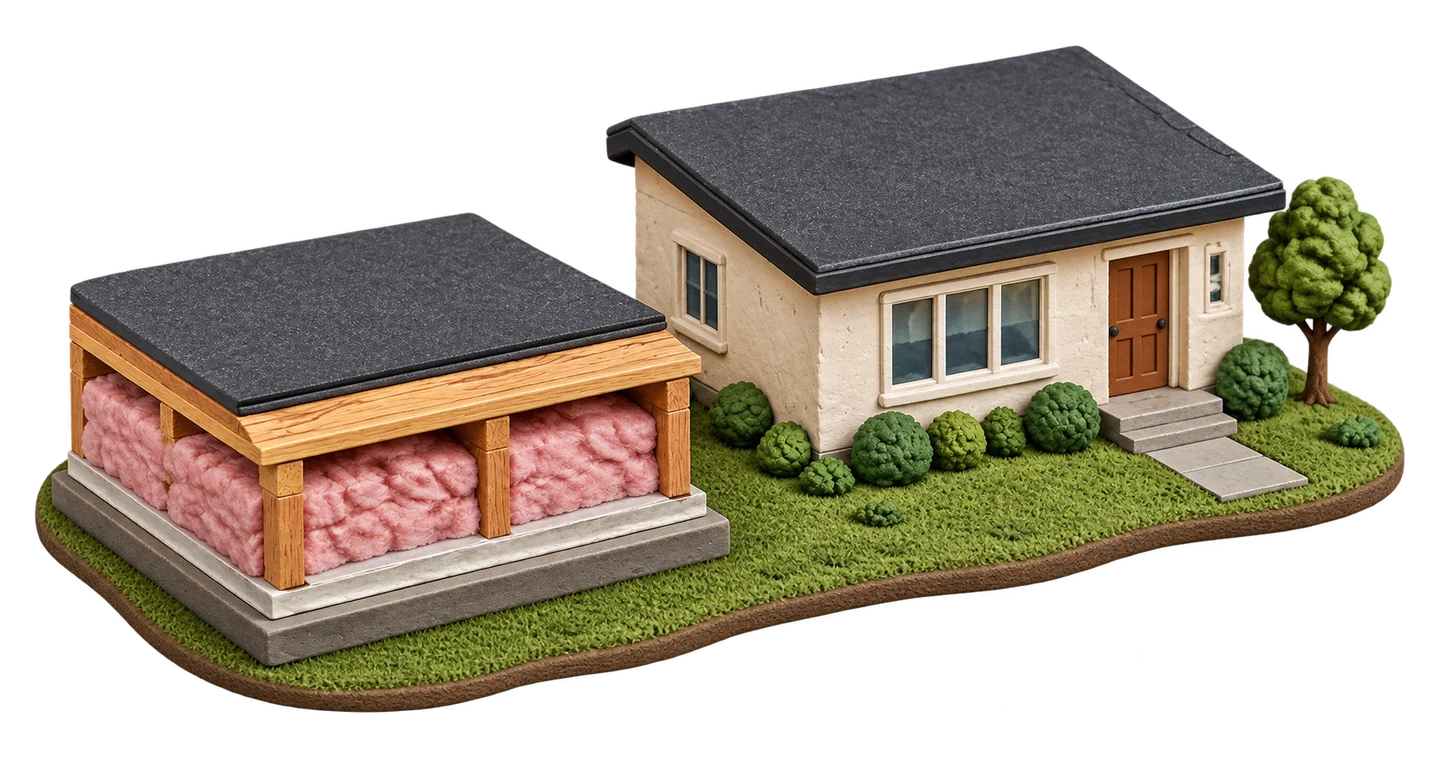
They can. A roof surface controls one part of the heat path. Air leakage and insulation at the ceiling or roof line influence how heat and conditioned air move between the home and attic.
ENERGY STAR's attic guidance says low insulation levels and attic air leaks can contribute to uneven temperatures and make heating and cooling equipment work harder. ENERGY STAR recommends sealing attic-floor air leaks before adding insulation. Its attic air-sealing guide also warns homeowners not to disturb vermiculite insulation until it has been tested for asbestos.
An attic may contain electrical wiring, gas lines, refrigerant lines, unstable walking surfaces, damaged materials, or other hazards. Stop when access is unsafe or the assembly is unclear. A qualified energy, insulation, HVAC, or building professional may be needed even when the visible symptom first appears to be a roofing issue.
Will adding roof vents solve a hot attic?
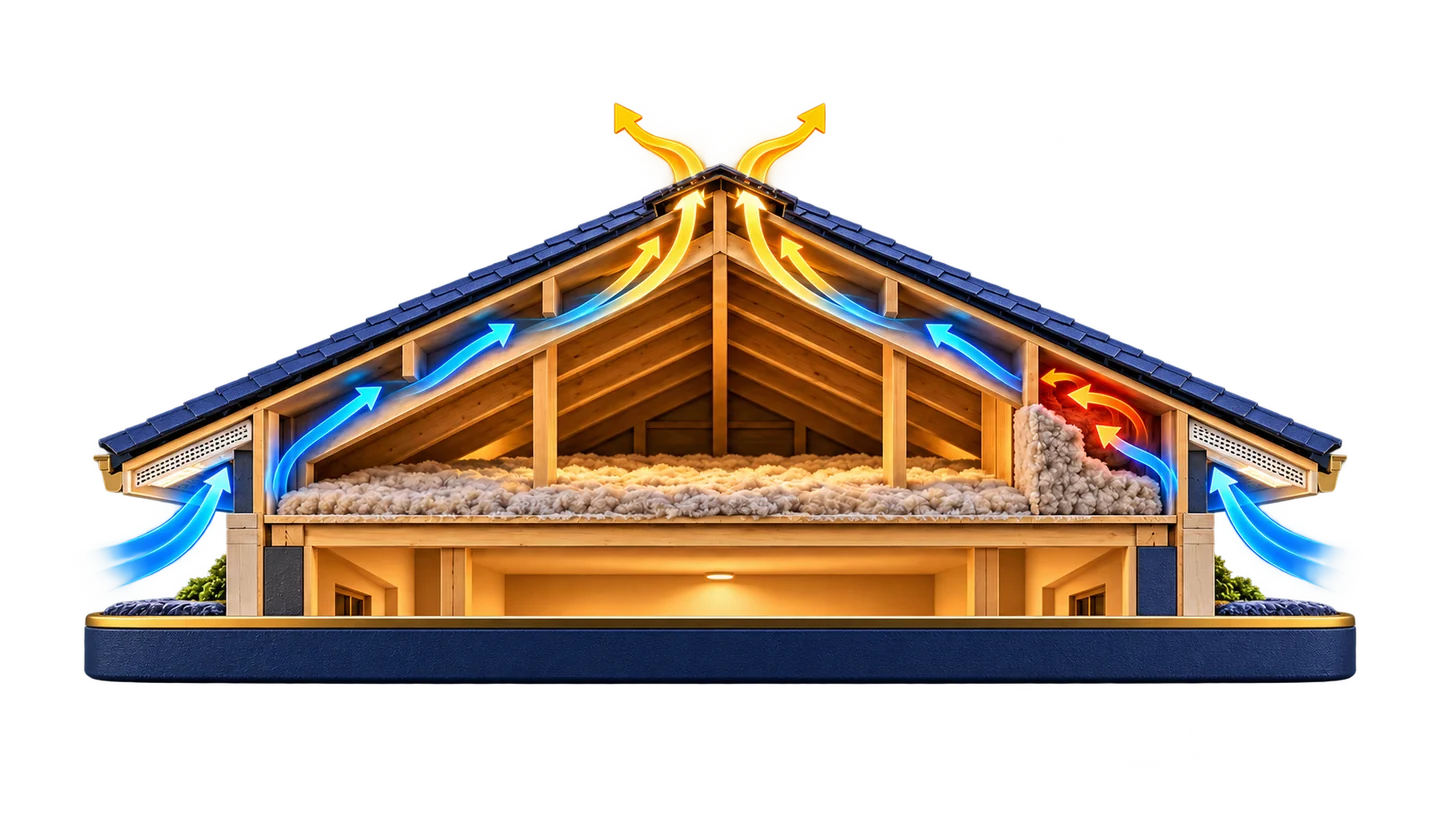
Not automatically. Ventilation is part of a roof and attic assembly, and the correct intake and exhaust path depends on how that assembly was designed. Blocked, damaged, or missing ventilation may need correction, but adding vents without checking air sealing, insulation, moisture, and the location of HVAC ducts can miss the main cause.
The DOE Consumer Guide to Durable Attics explains that improper attic ventilation can contribute to moisture buildup and damage, and it describes soffit vents, ridge vents, and baffles as parts of a coordinated vent path. Do not mix vent types, cut new openings, or block existing vents based only on a hot-day attic reading.
Does a radiant barrier replace insulation?
No. A radiant barrier reduces radiant heat transfer and requires an adjacent air space to work as intended. Insulation slows conductive heat flow, and air sealing limits uncontrolled air movement. These parts solve different problems. The proposed assembly and installation determine whether a radiant barrier is appropriate.
The Department of Energy's Building Science Education resource states that radiant barriers and reflective insulation systems reduce radiant heat gain and that the reflective surface must face an air space. A foil-like layer pressed between other materials is not automatically a working radiant barrier. Dust, placement, fire safety, wiring, moisture, and installation details also need review.
The PHS roof-to-room heat screen
Pinnacle Home Services developed this six-part screen to keep a summer heat conversation tied to the actual building. It is a homeowner decision record. It is not an engineering report, energy audit, HVAC diagnosis, code inspection, product recommendation, or statement that Pinnacle's proposed paid roof assessment is live.
| Check | What to record | Decision it supports |
|---|---|---|
| Roof condition | Missing or displaced covering, changed flashing, drainage problems, prior repairs, leaks, and access limits | Repair or condition review before any heat-control product is considered |
| Roof surface | Material, color, slope, age, shade, and any current CRRC initial or aged rating | Product comparison when replacement or an approved roof-system treatment is already justified |
| Attic design | Vented or otherwise designed assembly, visible intake and exhaust path, obstructions, and moisture | Qualified review before adding, blocking, or mixing vents |
| Ceiling boundary | Visible air-leak indicators, insulation level and condition, wet material, duct location, and unsafe areas | Air-sealing, insulation, or building-performance review when the roof covering is not the only heat path |
| Indoor symptom | Which rooms are warm, time of day, thermostat behavior, HVAC runtime concern, and whether the symptom is new | Separate a roof or attic concern from an HVAC or whole-home comfort problem |
| Climate and timing | DFW or Fort Wayne region, roof replacement timing, heating season, and ZIP or project fit | Compare summer benefit, winter tradeoff, project sequence, and the correct professional |
What changes in DFW?
The National Weather Service Dallas/Fort Worth climate record describes DFW as humid subtropical with hot summers. July and August daytime temperatures are consistently in the 90s and often reach or exceed 100 degrees. Those conditions make roof solar exposure and peak cooling demand material parts of a DFW roof decision.
The DFW module still needs a property-specific review. A reflective product does not guarantee a cooler room, lower bill, longer roof life, or a specific surface-temperature change. Pinnacle's roofing availability in DFW remains subject to ZIP and project confirmation.
What changes in the Fort Wayne region?
The National Weather Service Fort Wayne climate record documents summer heat along with a substantial cold season. Its long-term climate description reports an average July temperature of 74 degrees, recurring days at or above 90, winter snowfall, and more than 6,000 heating degree days per season.
EPA and CRRC guidance both identify climate as a required cool-roof input because a more reflective roof can reduce useful winter solar gain. A Fort Wayne decision should compare summer heat control with insulation, moisture, snow, and heating-season conditions. Pinnacle's Fort Wayne-region roofing availability remains subject to ZIP and project confirmation and does not establish statewide Indiana coverage.
Can an existing roof simply be coated?
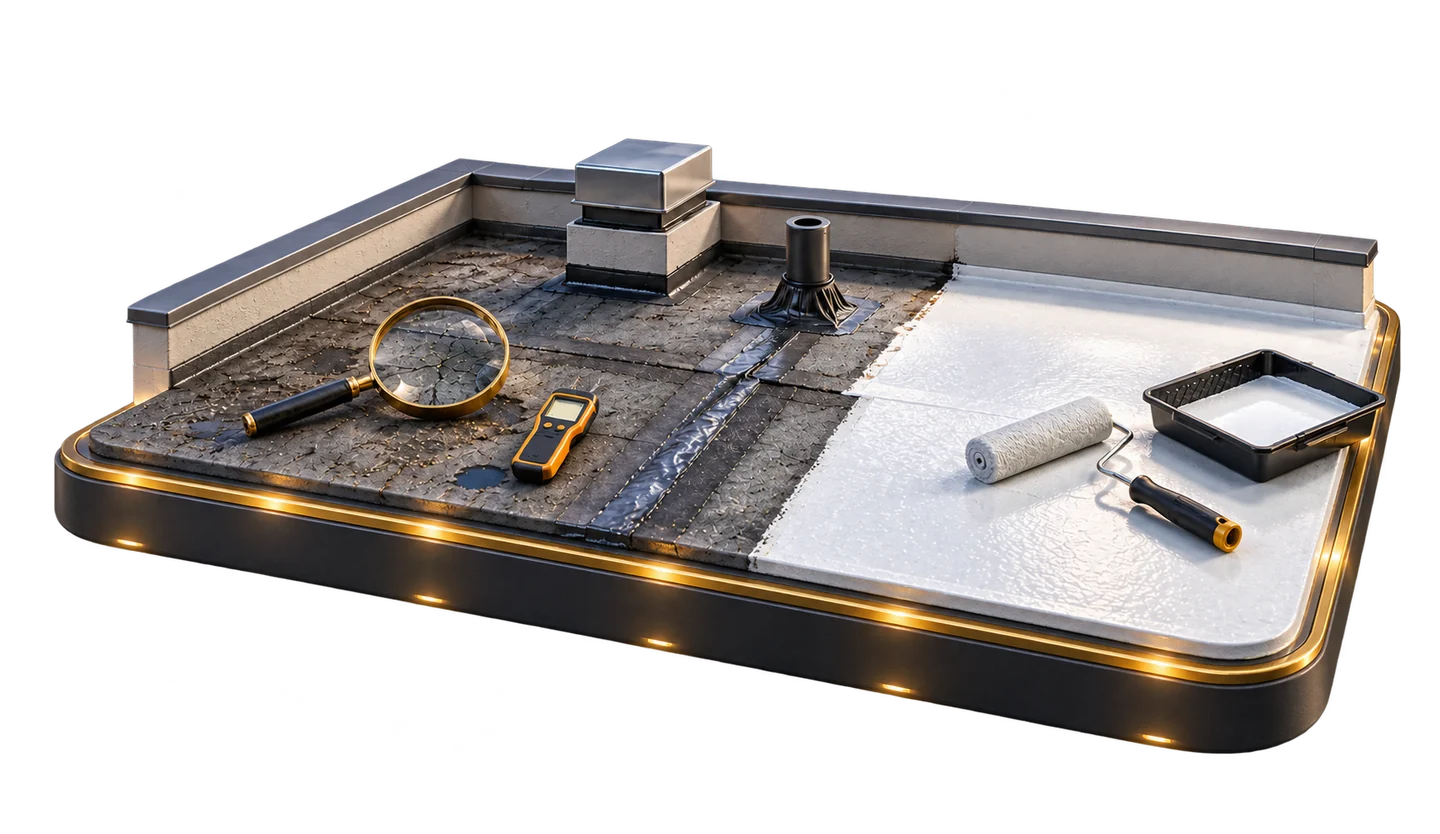
Do not assume that it can. A coating must be compatible with the exact roof system, surface condition, drainage, slope, flashing, manufacturer requirements, and warranty terms. Some cool-roof products are factory-made roof coverings, while others are field-applied systems. The CRRC rating describes radiative performance. It does not establish that a product is compatible with a particular existing roof or that the roof is ready for coating.
Get the roof condition and the product instructions in writing before work begins. Keep the exact product name, rating, preparation method, installer scope, maintenance requirement, and warranty record with the property file.
Plan the next roof decision
If the roof-to-room screen points to a roof-covering or flashing concern, use Pinnacle's contact page to provide the ZIP code, roof type if known, symptom, timing, and any safely captured photos. Pinnacle will confirm project fit before making a product, scope, schedule, price, warranty, or energy-performance statement.
If the main evidence points to air leakage, insulation, ducts, or HVAC performance, the next step may belong to a qualified building-performance, insulation, or HVAC professional. This article does not treat every hot room as a roofing sale.
Compare the scope before choosing an upgrade
| Option | What it addresses | Cost and limitation to check |
|---|---|---|
| Roof repair or replacement | The covering and the documented construction scope | Compare the complete installed scope and exclusions; a heat-control product does not repair an existing defect |
| Air sealing and insulation | Air leakage and heat movement through the building enclosure | Confirm the assembly, safe access, existing materials and moisture conditions before pricing work |
| Ventilation or radiant barrier | A specific part of an appropriate roof and attic assembly | Confirm design compatibility; neither replaces insulation or provides a universal savings amount |
Frequently asked questions
Is a light-colored roof enough to prove cooling performance?
No. Compare the exact product's solar reflectance and thermal emittance, including aged ratings, with the roof assembly and the home's heating and cooling conditions.
Will more vents fix a hot attic?
An attic temperature alone does not select a ventilation change. The assembly, air leakage, insulation, moisture and existing intake and exhaust arrangement need review.
Can PHS promise an energy-bill reduction from a roof change?
This article makes no savings promise. The home's roof, climate, insulation, air leakage, HVAC system and actual project scope affect the result.